


TL;DR:
- HVAC controls technicians install, program, and troubleshoot building automation systems for complex mechanical environments. They possess dual electrical and software skills, verified through certifications and practical tests, with hiring timelines extending several months. Contractors often overlook the importance of documentation and specialized sourcing, which Petratalent provides for faster, more reliable placements.
An HVAC controls technician installs, programs, calibrates, and troubleshoots building automation systems (BAS), direct digital controls (DDC), PLCs, sensors, actuators, and energy management systems across commercial and industrial facilities. For hiring managers: this is the specialist who keeps complex mechanical systems running efficiently, reduces callbacks, and drives commissioning success on projects where general HVAC mechanics simply do not have the software or electrical depth required.
The controls technician role sits at the intersection of electrical work, software programming, and mechanical systems knowledge. A general HVAC mechanic focuses on refrigerant handling, equipment replacement, and routine maintenance. A controls tech spends a significant portion of the workday at a laptop editing control sequences, configuring BAS platforms like Niagara/Tridium, and troubleshooting networked systems. Both roles matter. They are not interchangeable.
Table of Contents
- What does an HVAC controls technician do day to day?
- What skills and certifications should you screen for?
- How do you vet and interview controls technician candidates?
- What does it cost to hire a controls technician?
- What is a realistic hiring and onboarding timeline?
- Ready-to-use hiring assets for controls technician roles
- What documentation and compliance standards should you require?
- Key Takeaways
- What contractors often get wrong about hiring controls technicians
- Petratalent helps contractors hire vetted controls technicians
- Useful sources and further reading
What does an HVAC controls technician do day to day?
Controls technicians are project-based specialists who get involved early and stay involved late. Their work spans pre-construction through seasonal tuning, not just the installation phase.
Primary responsibilities include:
- Installing and wiring low-voltage control panels, sensors, actuators, and field devices
- Programming and commissioning DDC/BAS systems, including sequence-of-operations logic
- Calibrating sensors, verifying loop performance, and confirming setpoints match design intent
- Troubleshooting both electrical faults and software-level control issues across integrated systems
- Participating in design review meetings to flag control-coordination conflicts before installation begins
- Coordinating with electrical contractors, mechanical subs, and general contractors during commissioning
- Producing commissioning reports, as-built wiring diagrams, and points lists for handover
Controls techs typically work indoors in panel rooms, mechanical rooms, and commissioning meetings rather than on rooftops in extreme weather. That environment attracts candidates with strong analytical and programming skills alongside their field experience.
Pro Tip: Ask candidates where they spend most of their workday. A strong controls tech should describe a mix of panel-room wiring, laptop-based programming, and commissioning meetings. If the answer is mostly rooftop service calls, you may be looking at a general service tech, not a controls specialist.

What skills and certifications should you screen for?
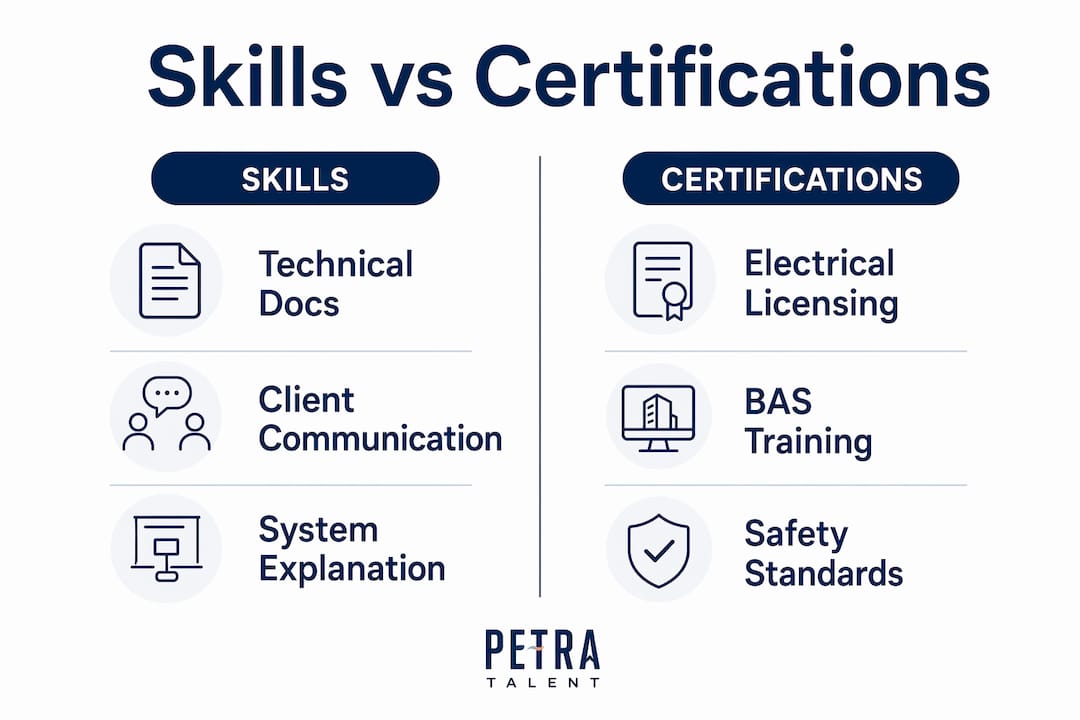
Controls technicians need a dual skill set that most HVAC candidates do not carry: hands-on electrical and mechanical troubleshooting plus software and programming fluency. Treat both as pass/fail checkpoints during vetting.
Core technical skills to verify:
- Electrical wiring and low-voltage controls (24V, 0–10V analog, dry contacts)
- PLC and DDC programming, including ladder logic and function block basics
- Network fundamentals: IP addressing, managed switches, and device commissioning over BACnet/IP or Modbus TCP
- Sensor calibration and loop verification (temperature, pressure, humidity, CO₂)
- BAS platform experience: Niagara/Tridium, Johnson Controls Metasys, Siemens Desigo, Honeywell, or equivalent
- HVAC controls commissioning: sequence verification, alarm configuration, trend logging
- Blueprint and wiring-diagram literacy, including interpreting control-sequence narratives
Certifications and credentials to request:
- HVAC trade certificate or documented apprenticeship completion (apprenticeships in controls typically run 3–5 years)
- ISA Certified Control System Technician (CCST) for senior-level candidates
- EPA Section 608 refrigerant certification where the role involves refrigerant-side work
- Low-voltage electrician license (requirements vary by state)
- Vendor-specific training certificates from BAS manufacturers
Desirable soft skills include technical documentation, client communication, and the ability to explain system changes to non-technical facilities staff. Communication and documentation ability consistently appear as required items in public job descriptions, not optional extras.
How do you vet and interview controls technician candidates?
A structured vetting workflow separates qualified controls techs from general technicians who have touched a BAS once or twice.
Phone-screen checklist:
- Confirm hands-on BAS/DDC experience: which platforms, how recently, and in what project context
- Ask about their role in commissioning: did they write sequences, verify loops, or just assist?
- Verify certifications and licenses
- Confirm willingness to travel, work irregular hours, or respond to after-hours alarms if the role requires it
- Discuss salary expectations early to avoid late-stage mismatches
In-person interview questions:
- “Walk me through how you would troubleshoot a zone that is not responding to its setpoint.”
- “Describe a commissioning project where something went wrong. What was the issue and how did you resolve it?”
- “How do you verify a BACnet device is communicating correctly on a new network segment?”
- “What does a control sequence for a VAV box with reheat look like? Talk me through the logic.”
- “How do you coordinate with the electrical contractor when a controls point is wired incorrectly?”
Technical test ideas:
- Laptop-based exercise: open a sample Niagara WorkBench or similar environment and edit a control sequence to correct a logic error
- PLC ladder-logic snippet: identify the fault in a simple rung and explain the fix
- Sensor loop-check practical: walk through calibrating a temperature sensor and verifying the BAS point reads correctly
- Simulated alarm isolation: given a fault printout, identify the most likely cause and the next diagnostic step
Red flags to watch for:
- Cannot explain a basic control sequence in plain language
- Evasive or vague answers about past commissioning failures
- No documented experience with networked protocols (BACnet, Modbus) when the role requires them
- Poor or absent documentation samples when asked to provide past commissioning reports
Pro Tip: Request a sample commissioning report or a redlined wiring diagram from a past project before the in-person interview. Candidates who cannot produce documentation samples rarely improve once hired. Strong controls techs treat documentation as part of the job, not an afterthought.
For more structured interview guidance, Petratalent’s HVAC interview framework provides adaptable templates for technical roles.
What does it cost to hire a controls technician?
Pay for controls technicians varies by experience level, geographic market, union status, and BAS specialization. The BLS Occupational Outlook Handbook tracks HVAC mechanics and installers broadly, but controls specialists with PLC programming and BAS commissioning experience command a premium above general HVAC wage benchmarks.
Factors that increase pay:
- Specialized BAS platform expertise (Niagara/Tridium, Metasys, Desigo)
- PLC programming and SCADA integration experience
- Union membership and prevailing wage requirements on public projects
- High-cost labor markets (Northeast, West Coast, major metros)
- ISA-CCST or advanced vendor certifications
Experience-level hiring benchmarks (use local market data to refine):
- Entry/apprentice level: Limited independent commissioning; supervised programming tasks
- Journeyman level: Independent commissioning, multi-platform BAS experience, 4–5 years documented controls work
- Senior controls tech: Sequence authoring, project lead on commissioning, cross-trade coordination, vendor-agnostic troubleshooting
Total cost-to-hire extends beyond base wages. Factor in recruiting fees or agency placement costs, onboarding training time, vendor software licensing, tools and test equipment, and any overtime or on-call premiums. Workforce trends in 2026 continue to tighten the supply of experienced controls candidates, which puts upward pressure on offers for journeyman and senior-level roles.
What is a realistic hiring and onboarding timeline?
Controls technician searches take longer than general HVAC service tech searches because the candidate pool is smaller and vetting is more involved.
- Requisition and sourcing (2–6 weeks): Time varies by market tightness, job-posting reach, and whether you use a specialized recruiter or post-and-pray.
- Interview and vetting (1–3 weeks): Phone screen, technical test, and in-person interview. Allow time for documentation review.
- Notice period and start date (2–6 weeks): Experienced controls techs at established employers typically give two to four weeks’ notice.
- Onboarding and ramp-to-productivity (6–12 weeks): Even strong candidates need time to learn site-specific systems, vendor software access, and your commissioning standards.
Onboarding essentials that shorten ramp time include a site-specific safety orientation, a walkthrough of your control-system architecture, access to vendor licenses and software, shadowing on an active commissioning job, and a complete documentation handover (wiring diagrams, BAS points lists, sequence narratives). Pairing a new hire with an experienced controls lead for the first two projects consistently accelerates productivity. Addressing onboarding gaps early also reduces the turnover risk that poor onboarding practices create in technical roles.
Ready-to-use hiring assets for controls technician roles
Use these templates as a starting point and adapt them to your specific project requirements.
| Asset | Key Components |
|---|---|
| Job description template | Role summary; essential duties (install, program, commission, troubleshoot BAS/DDC); required skills and certifications; physical demands and on-call expectations; travel requirements; EPA 608 and driver’s license requirements |
| Phone-screen script | License and certification verification; BAS platform confirmation; recent project summary; availability and salary discussion; red-flag probes (commissioning role, documentation habits) |
| Scoring rubric | Electrical skills, programming/BAS, commissioning and troubleshooting, documentation and communication |
| Technical test templates | Sequence-editing exercise in BAS platform; PLC ladder-logic fault identification; sensor loop-check practical; simulated alarm isolation |
Additional job-posting tips:
- List specific BAS platforms and protocols (BACnet, Modbus) rather than generic “controls experience”
- State whether the role is union or open-shop and whether prevailing wage applies
- Specify travel percentage and on-call rotation expectations upfront
- Include the experience threshold clearly: entry, journeyman, or senior
For a deeper look at qualities to prioritize when evaluating technical candidates, Petratalent’s guide covers the traits that predict long-term performance.
What documentation and compliance standards should you require?
Controls technicians carry documentation responsibilities that directly affect project closeout, warranty claims, and future service work. Setting expectations at hire prevents gaps later.
Essential deliverables to require from every controls tech:
- Commissioning reports with verified setpoints, trend logs, and sign-off documentation
- As-built wiring diagrams and updated points lists reflecting any field changes
- Control-sequence narratives with inline comments explaining logic decisions
- Service logs and change-control records for any post-commissioning modifications
Codes and compliance checkpoints:
- Verify applicable state and local electrical licensing before the first day on site
- Confirm EPA Section 608 certification if the role involves refrigerant-side work
- Review OSHA 10 or 30 status for commercial project requirements
- Confirm familiarity with local building and HVAC codes, particularly for commissioning sign-off requirements
Validating documentation quality during hiring is straightforward: request a past commissioning report or a sample of redlined drawings. Candidates who review design plans and produce clean documentation from the start reduce project risk significantly.
Pro Tip: Establish version control for control-sequence files from day one. A controls tech who saves every sequence edit with a date stamp and change note protects your company when a client disputes system behavior months after commissioning.
Key Takeaways
An HVAC controls technician is a dual-skill specialist in electrical/mechanical troubleshooting and BAS/DDC programming. Verify both skill domains before extending an offer.
| Point | Details |
|---|---|
| Dual skill set is non-negotiable | Screen for both electrical/mechanical competence and BAS programming fluency as separate pass/fail checkpoints. |
| Top three hiring actions | Verify certifications, run a hands-on programming test, and review a past commissioning report before the offer stage. |
| Realistic timeline | Budget several months from requisition to a fully productive controls tech, including a 6–12 week ramp period. |
| Documentation is a job requirement | Require commissioning reports, as-built drawings, and change-control logs as standard deliverables, not optional extras. |
| Petratalent for hard-to-fill roles | Petratalent provides targeted sourcing, technical vetting, and market wage guidance for controls technician placements across the United States. |
What contractors often get wrong about hiring controls technicians
The most common mistake contractors make is posting a general HVAC technician job description and hoping a controls specialist applies. The role requires a fundamentally different candidate profile: someone who is as comfortable editing a control sequence on a laptop as they are tracing a wiring fault in a panel. Treating these as the same job produces mismatched hires, extended ramp times, and callbacks that erode project margins.
A second underestimated factor is documentation. Controls work generates a paper trail that outlasts the project. Commissioning reports, as-built drawings, and sequence change logs protect contractors during warranty disputes and future service calls. Candidates who cannot demonstrate documentation discipline during the hiring process rarely develop it on the job.
The dual-skill requirement also means the candidate pool is genuinely smaller than for general HVAC roles. Contractors who rely on reactive job postings often wait months for qualified applicants. Proactive sourcing through a recruiter who understands the controls market shortens that timeline considerably and surfaces candidates who are not actively searching but would move for the right opportunity.
Petratalent helps contractors hire vetted controls technicians
Filling a controls technician role through general job boards is slow and inconsistent. Petratalent specializes in sourcing and vetting HVAC controls candidates for mechanical contractors across the United States, with a process built specifically for technical roles: role-specific screening questions, hands-on test templates, market wage benchmarking, and candidate verification before you spend time interviewing.

When your controls role is urgent, hard to fill, or requires a specific BAS platform or protocol background, Petratalent’s targeted sourcing reaches candidates who are not on the open market. The contingency-based model means you pay only on a successful placement, with no retainer or long-term commitment required.
Contractors ready to move faster on a controls hire can learn more about Petratalent’s HVAC recruiting services or review the full range of workforce planning and placement options available for mechanical contractors.
Useful sources and further reading
- HVAC-Instrument Controls Technician — Missouri Office of Administration: Official state classification with detailed duty descriptions and experience requirements.
- Heating, Air Conditioning, and Refrigeration Mechanics and Installers — U.S. Bureau of Labor Statistics: National employment outlook, wage data, and education requirements for the broader HVAC trades.
- Control Systems Technician — HVAC School: Practitioner-level overview of the controls tech role, daily tasks, and programming environment.
- HVAC Controls Technician Job Description — Wellesley, MA: Municipal job spec with communication and documentation requirements.
- HVAC Controls Technician Education Requirements — BestAccreditedColleges: Apprenticeship pathways and education options for controls technicians.
- Healthcare Building Control Systems Technician — UM System: Institutional job description useful for leveling candidates from entry to senior.
- State licensing boards: Consult your state’s contractor licensing board for jurisdiction-specific low-voltage electrician and HVAC license requirements before finalizing job postings.
Recommended
Related Posts
October 13, 2026
Recruiting Contract Terms: 10 Checks and Ready to Use Clauses
Define fee triggers, candidate ownership, guarantees, and compliance terms. Get a master agreement, short schedule,…
October 12, 2026
Offer Acceptance Rates: Segment Benchmarks, HVAC’s 3–5 Day SLA
See why a 78% to 82% offer acceptance benchmark can mislead, how role and source…
October 11, 2026
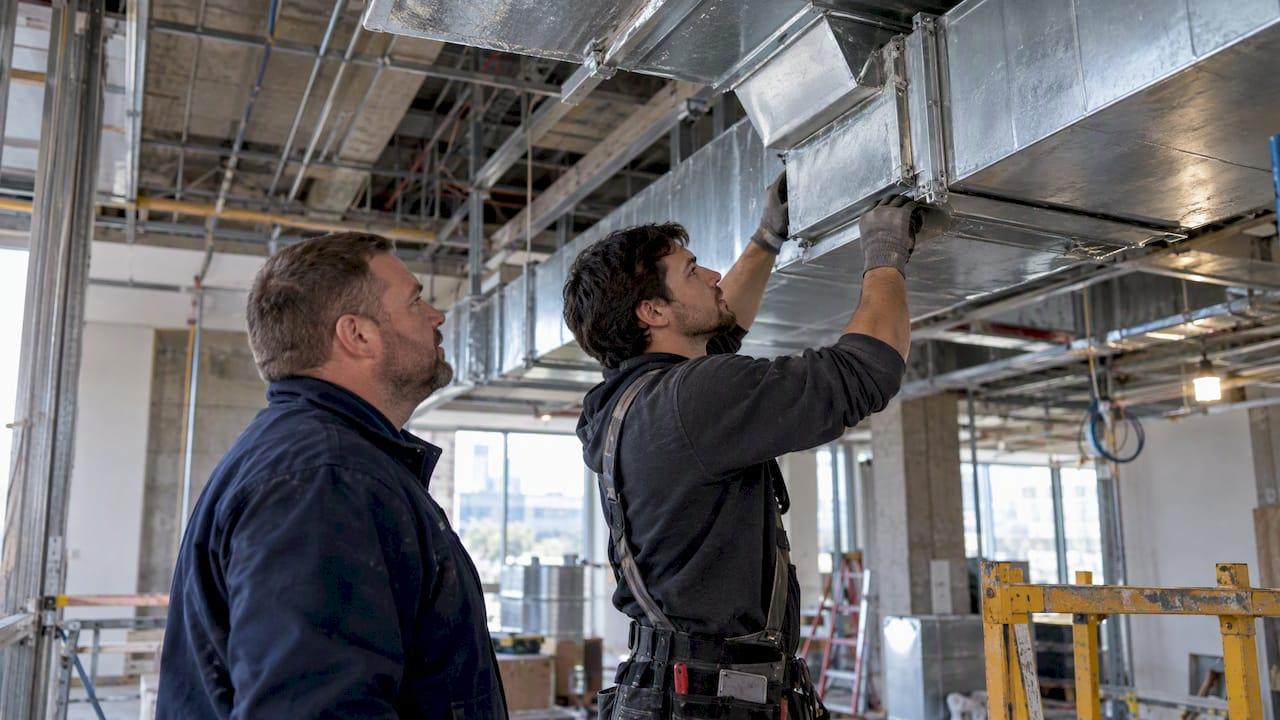
Bad Hires Can Cost Construction Firms 30% to 200% of Salary
Bad hires can cost construction firms 30% to 200% of annual salary. Calculate recruiting, rework,…
October 10, 2026
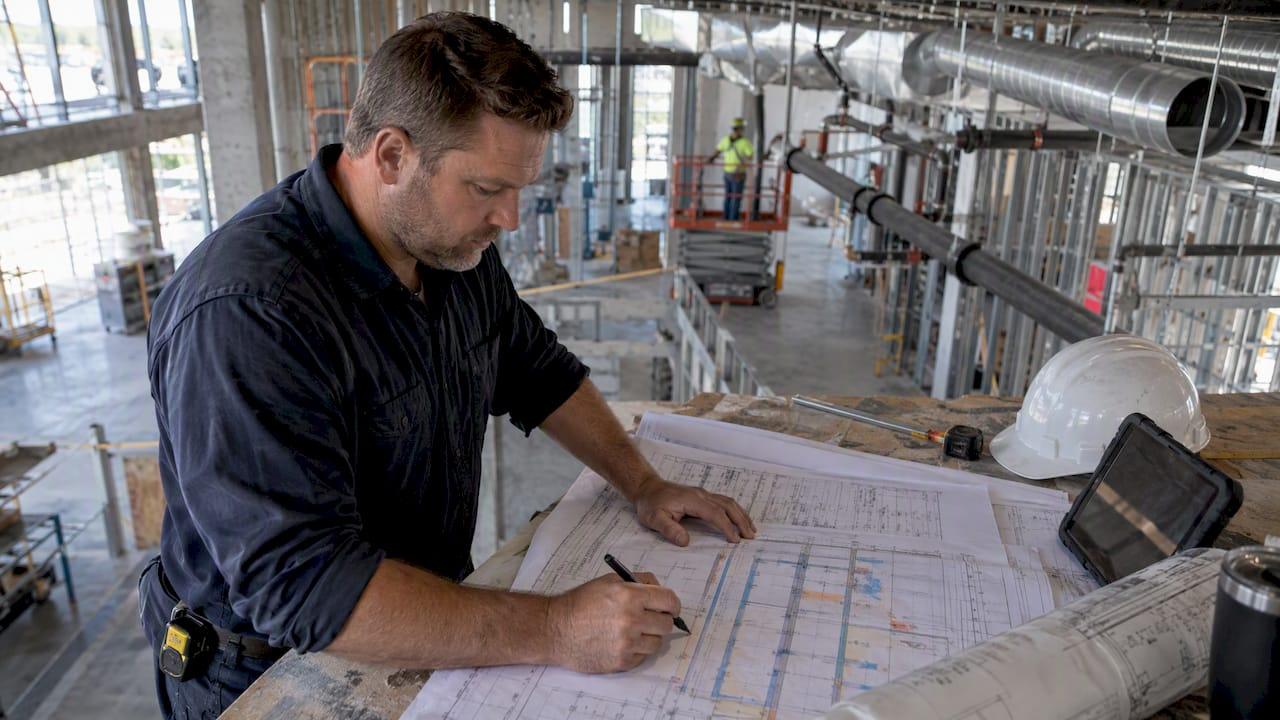
Construction Labor Forecasting for PMs: 7 Steps to Time Hiring
Learn when construction project managers should use WBS or simulation, track labor KPIs, and turn…