



A journeyman mechanic is a tradesperson who has completed a formal apprenticeship and passed the required exams to diagnose and repair mechanical systems without direct supervision. That’s the core answer to what does journeyman mechanic role mean in practice: it’s a credentialed mid-career status, not a job title picked off a whiteboard.
Three things define the designation:
- Apprenticeship completion. Thousands of hours of paid, supervised work combined with classroom instruction.
- “Topping out.” A practical and theoretical exam that proves competence beyond just clocking hours.
- Recognized credentialing. Bodies like the United Association (UA), the National Institute for Automotive Service Excellence (ASE), and occupational data from the Bureau of Labor Statistics (BLS) and O*NET all define and track this tier of the trade.
A journeyman isn’t a master. Master status typically adds business licensing, the ability to pull permits, and legal authority to run a contracting operation, none of which come automatically with journeyman standing.
Key Takeaways
A journeyman mechanic is a credentialed tradesperson who completed a registered apprenticeship, passed topping-out exams, and now works independently on complex mechanical systems.
| Point | Details |
|---|---|
| Journeyman defined | Completed apprenticeship plus topping-out exams; qualified to work independently without master-level business authority. |
| Path to credential | Registered apprenticeship combines paid on-the-job hours with classroom instruction over several years. |
| Certifications matter | ASE credentials and union/UA certifications improve hireability and can lead toward Master Technician status. |
| Authority has limits | Journeymen typically cannot pull permits or run a licensed contracting business without additional master licensing. |
| Petra Talent’s role | Connects vetted journeyman candidates with HVAC and plumbing contractors through direct-hire placement and technical screening. |
Table of Contents
- What Does a Journeyman Mechanic Do Day to Day?
- How Do You Become a Journeyman Mechanic?
- Which Skills and Certifications Matter Most?
- What Can and Can’t a Journeyman Mechanic Do?
- From Apprentice to Master: Mapping the Full Career Arc
- Where Do Journeyman Mechanics Actually Work?
- What Tools and Technology Do Journeymen Rely On?
- What Do Journeyman Mechanics Earn, and What’s the Outlook?
- What Challenges Do Journeymen Face on the Job?
- Which Organizations and Unions Support Journeymen?
- Sources
What Does a Journeyman Mechanic Do Day to Day?
Apprentices work under direct supervision. Journeymen work independently, and that shift changes everything about the job.
A journeyman mechanic is expected to diagnose and repair complex systems, electrical faults, hydraulic failures, drivetrain issues, HVACR components, without someone double checking every step. That means reading wiring diagrams and hydraulic schematics correctly the first time, running onboard diagnostics, and performing welds or high stakes repairs that carry real consequences if done wrong.
The responsibilities extend past wrenches and diagnostic scanners. Journeymen typically:
- Diagnose and repair systems independently, including electrical, hydraulic, and drivetrain components
- Interpret technical schematics and blueprints without guidance
- Perform welding and other high-skill repair work
- Supervise and mentor apprentices on the shop floor or job site
- Document diagnostics, repairs, and parts usage for compliance and warranty records
- Manage inventory and flag parts or tooling gaps before they stall a job
- Enforce safety protocols, including hazardous waste handling and OSHA compliance
Sample journey-level job descriptions from public employers reflect this exact split: technical repair work paired with training assigned staff and maintaining compliance records. It’s not just about fixing things. It’s about being the person whose sign-off other people trust.
Pro Tip: Keep a personal log of every complex repair you complete as an apprentice, system type, symptom, fix, and outcome. When you sit for topping out or interview for your first journeyman role, that log becomes proof of judgment, not just hours.
How Do You Become a Journeyman Mechanic?
The path runs through a registered apprenticeship, and there’s no legitimate shortcut around it. Here’s how the process typically unfolds.
- Enroll in a registered apprenticeship. This is the “earn while you learn” model: paid on-the-job training combined with classroom instruction, often coordinated through a union apprenticeship pipeline or a trade school partnership.
- Log your required hours. Apprenticeships typically run for a multi-year period, combining supervised fieldwork with structured coursework, per the UA’s journeyman pathway model.
- Sit for topping out. This isn’t a formality. Candidates demonstrate schematic comprehension, advanced diagnostics, and consistent safety compliance under evaluation, according to O*NET’s occupational data. Both practical and written components are standard.
- Receive journeyman certification. Once you pass, you’re cleared to work independently under your trade’s scope.
A few realities worth knowing before you start:
- Requirements vary by state and by trade. Always confirm exact hour counts, exam formats, and licensing rules with your local apprenticeship committee or state licensing board.
- Some unions and locals allow experienced workers to “test out” rather than complete a full apprenticeship, though this varies significantly by jurisdiction.
- Vocational school credentials can supplement, but rarely replace, supervised apprenticeship hours.
- Document everything. Employers and licensing boards want proof: hour logs, supervisor sign-offs, and exam records.
If you’re weighing a vocational-only route against a registered apprenticeship, the apprenticeship almost always carries more weight with employers, because it comes with third-party verification built in.
Which Skills and Certifications Matter Most?
Technical competence gets you in the door. Certifications and soft skills determine how far you go once you’re there.
Core technical skills employers expect from a journeyman include diagnostics across mechanical and electrical systems, hydraulic troubleshooting, welding, and confident blueprint reading. These aren’t nice-to-haves. They’re the baseline that separates someone who topped out on paper from someone who can actually run a shift.
ASE certification adds a layer most employers respect immediately. It’s optional, but earning multiple ASE credentials can lead to Master Technician recognition, a designation that carries weight on a resume regardless of which shop reads it. For trades under the UA umbrella, union credentials serve a similar function, signaling verified training and standardized competency.
Certifications and skills that move the needle:
- ASE certification in one or more specialty areas
- Union or UA-issued journeyman credentials
- Documented mentoring or apprentice supervision experience
- Clear written documentation habits (diagnostics, repair logs, safety reports)
- Manufacturer-specific training seminars
Continuing education isn’t optional in practice, even if no one requires it on paper. Technology shifts fast, onboard diagnostics, HVAC control systems, hybrid drivetrains, and journeymen who skip ongoing certification fall behind their peers within a few years. Employers notice which candidates kept training and which ones stopped the day they topped out.
What Can and Can’t a Journeyman Mechanic Do?
A typical day mixes hands on repair with administrative and training responsibilities. Expect diagnostic work in the morning, hands-on repairs through midday, then documentation, parts ordering, or apprentice instruction before the shift wraps.
Authority has real limits, though. A journeyman generally cannot pull permits or operate as a licensed contracting business without additional master-level licensing. That line matters for anyone thinking about going independent: journeyman status qualifies you to do the work, not to legally run the business around it.
Specialization changes both the daily routine and the pay ceiling:
- Diesel and heavy equipment journeymen often handle larger hydraulic systems and carry higher earning potential due to scarcity of qualified technicians.
- HVACR specialists deal more with refrigerant regulations, control systems, and seasonal demand swings.
- General automotive journeymen see more day-to-day variety but often lower ceiling pay than niche specialists.
Picking a specialization early tends to pay off faster than staying a generalist indefinitely.
From Apprentice to Master: Mapping the Full Career Arc
Every mechanic’s career runs through the same three checkpoints, even though the timeline and specialty details vary by trade. Understanding where journeyman status sits on that ladder helps you plan the next move instead of treating certification as a finish line.
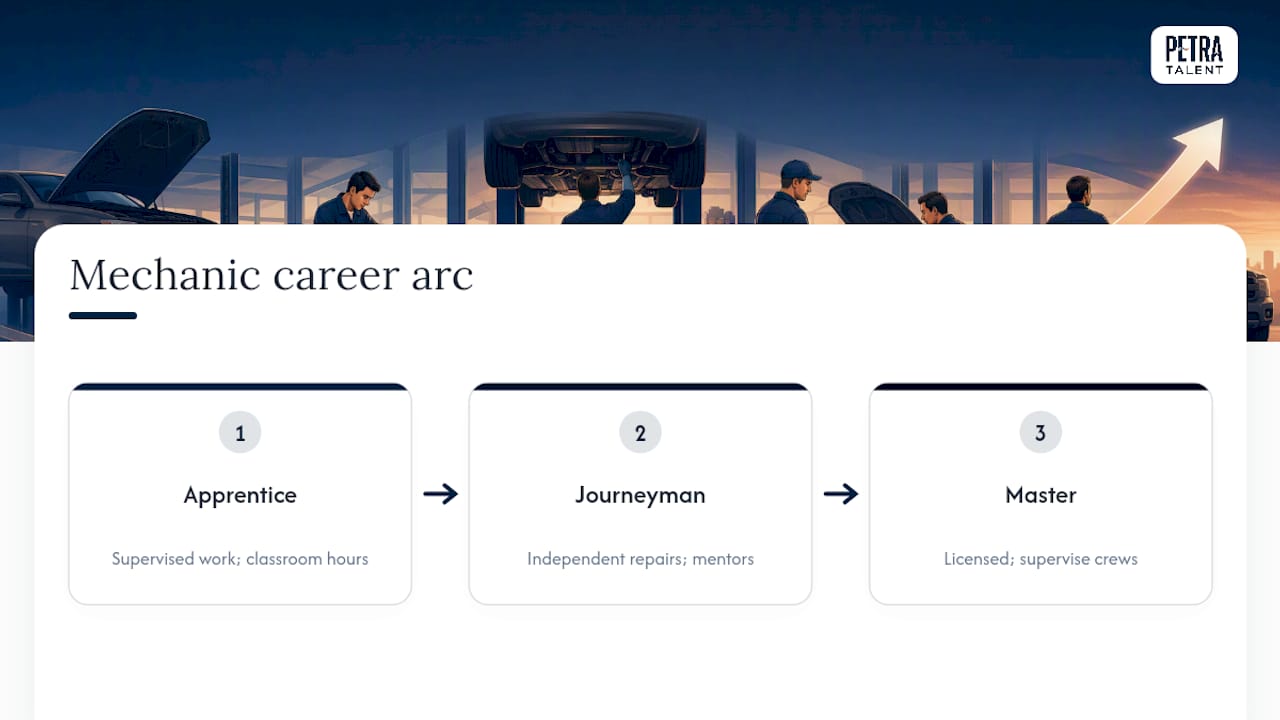
Apprentice is the entry point: supervised work, structured classroom hours, and no independent authority to sign off on repairs. This stage is about building repetition, an apprentice who’s rebuilt forty transmissions under supervision understands failure patterns a textbook can’t teach.
Journeyman is the credentialed middle tier, where independent diagnosis, repair authority, and mentoring responsibility kick in. This is where most tradespeople spend the bulk of their careers, and for good reason. It offers real autonomy and solid pay without the liability exposure of running a business.
Master sits above journeyman and typically requires additional years of documented journeyman-level work, often combined with a business or contractor licensing exam depending on the state and trade. Master status usually unlocks the ability to pull permits, supervise multiple crews, or operate as a licensed contractor.
Not every journeyman pushes toward master, and that’s a legitimate career choice, not a failure to advance. Some tradespeople prefer the technical work and mentoring role journeyman status offers, without the administrative and liability load that comes with running a licensed operation. Others use journeyman years specifically to build the reputation and capital needed to make that jump. Either path is viable, but plan the road from apprentice to journeyman with the endpoint in mind rather than drifting into it by default.
Where Do Journeyman Mechanics Actually Work?
The job looks different depending on where you clock in, and that difference affects everything from schedule predictability to earning potential.
Independent and franchise repair shops offer the most day-to-day variety. You’ll see a wider range of makes, models, and problems, which sharpens diagnostic skills faster than specialized environments do. Pace tends to be steady but unpredictable, some days are slammed, others slower.
Dealership service departments bring more structure and often better access to manufacturer-specific tools and training, but the work skews toward a narrower set of vehicle brands or systems. Dealerships also tend to offer clearer promotion tracks toward service leadership roles.
Field service and mobile mechanic work flips the environment entirely. Instead of a fixed bay, journeymen travel to job sites, work trucks, construction equipment, or industrial machinery, and often work with less backup on hand. This route demands stronger independent judgment since there’s no shop full of colleagues to consult mid-repair.
Across all three settings, safety compliance stays constant. Journeymen are expected to follow OSHA standards and handle hazardous materials correctly regardless of whether they’re in a climate-controlled shop or a gravel lot at a job site. Physical demands also don’t disappear with seniority, lifting, kneeling, and working in tight or awkward spaces remain part of the job even after you’ve topped out.
Shift structure varies too. Dealerships often run more predictable hours, while field service and heavy equipment roles can involve on-call rotations or emergency callouts, particularly in HVACR and industrial mechanical work.
What Tools and Technology Do Journeymen Rely On?
The tool chest has changed more in the last decade than in the previous three combined, and journeymen are expected to keep pace with both categories: mechanical and digital.
Hand tools and precision instruments still form the foundation, torque wrenches, multimeters, pressure gauges, and specialty pullers for drivetrain or hydraulic work. Welding equipment remains standard for structural or high-stakes repairs across automotive, diesel, and industrial mechanical trades.
The bigger shift is digital. Onboard diagnostic scanners now read fault codes across electrical, emissions, and drivetrain systems in minutes, work that used to take hours of manual troubleshooting. HVACR journeymen increasingly work with smart control systems and digital refrigerant monitoring tools. Fleet and field service roles often run on field service management software that tracks service history, schedules, and parts inventory in real time, turning what used to be a paper clipboard job into a documented digital trail.
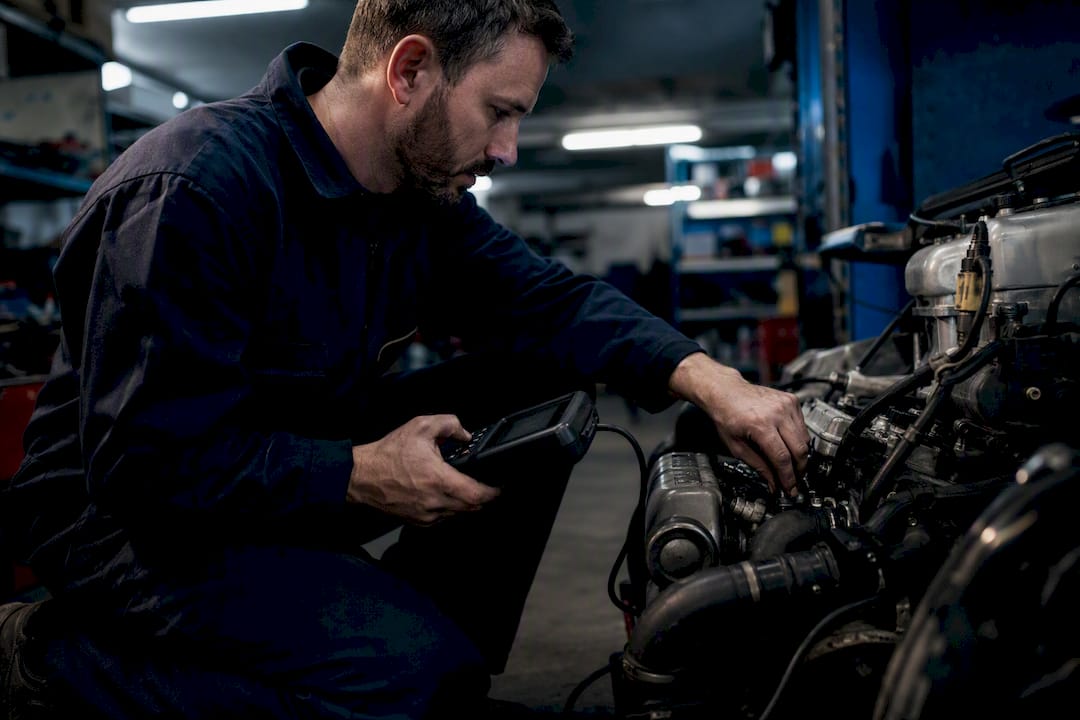
That documentation layer matters more than most new journeymen realize. Employers increasingly expect digital repair logs, not just for warranty compliance, but because clean documentation protects both the mechanic and the shop if a repair is questioned later. A journeyman comfortable with both a torque wrench and a tablet interface has a real edge over one who only knows the physical side of the job.
Manufacturer-specific diagnostic software adds another layer of complexity. Dealership journeymen in particular need ongoing training just to keep up with proprietary systems that update yearly, another reason continuing education isn’t optional in this field even without a formal mandate.
What Do Journeyman Mechanics Earn, and What’s the Outlook?
Pay for journeyman-level mechanics varies significantly by trade, specialization, geography, and whether the role sits in a dealership, independent shop, or field service environment. Diesel and heavy equipment specialists tend to command higher wages than general automotive journeymen, largely due to a persistent shortage of qualified technicians in those niches.
Demand for skilled mechanical trades remains steady, driven by two converging pressures: aging equipment fleets that need ongoing maintenance, and a wave of retirements among experienced tradespeople that isn’t being replaced fast enough by new entrants. The Bureau of Labor Statistics tracks this occupation closely, and the underlying pattern shows up across HVACR, plumbing, and automotive trades alike: contractors are competing hard for verified, journeyman-credentialed talent.
Certification stacking directly affects earning potential. A journeyman with multiple ASE credentials or specialized HVACR training typically commands better offers than a generalist with the same years of experience. Employers are paying for verified competency, not just tenure, and credentials are the fastest way to prove that competency on paper before you’ve even walked into an interview.
Geography plays a role too. Markets with heavy industrial, construction, or fleet activity tend to pay a premium for experienced journeymen, since the supply of qualified candidates rarely keeps pace with local demand. Checking current market wage data for your specific trade and region before negotiating a job offer is worth the time it takes.
What Challenges Do Journeymen Face on the Job?
Reaching journeyman status solves one set of problems and immediately introduces another. The autonomy that comes with the title also comes with accountability that apprentices never carry.
Staying current with technology is a constant pressure. Onboard diagnostics, digital control systems, and manufacturer-specific software update faster than most shops can train for, and a journeyman who lets those skills lag falls behind peers within a few years.
Balancing mentorship with production quotas creates real friction. Training an apprentice takes time away from billable repair work, and shops don’t always account for that trade-off when setting performance expectations.
Physical wear over time is an underdiscussed reality. Years of kneeling, lifting, and working in awkward positions take a toll, and many journeymen start thinking about specialization, supervisory roles, or master licensing partly to reduce physical strain as much as to increase pay.
Inconsistent state and trade requirements make it harder to relocate or switch specialties mid-career. A journeyman credential earned in one state or union local doesn’t always transfer cleanly, and verifying reciprocity takes real legwork.
Documentation burden has grown alongside digital tracking tools. What used to be a quick verbal handoff between shifts now often requires detailed digital logs, a shift that improves accountability but adds time to every job.
None of these challenges are reasons to avoid the path. They’re the tradeoffs that come with real independence, and most experienced journeymen will tell you the autonomy is worth managing around them.
Which Organizations and Unions Support Journeymen?
Professional structure matters more in the skilled trades than most outsiders assume, and journeymen benefit from staying connected to it throughout their careers.
The United Association represents journeymen and apprentices across plumbing, pipefitting, and HVACR trades, offering structured apprenticeship and journeyman pathways along with ongoing training resources and advocacy on wage standards and safety regulations. For automotive and diesel trades, ASE functions less as a union and more as an independent credentialing body, but it plays a similar role in standardizing what “qualified” actually means across employers.
Local apprenticeship committees, often tied to state licensing boards, handle the practical side: verifying hours, administering topping-out exams, and maintaining records that employers and licensing bodies can check. These committees vary by state and trade, which is exactly why confirming requirements locally matters more than trusting a generic national standard.
Beyond formal credentialing bodies, trade associations tied to specific specialties, HVACR contractor groups, diesel technician networks, offer continuing education and networking that keep journeymen connected to industry shifts. Staying active in these networks isn’t just about credentials. It’s often how journeymen hear about better job openings before they’re posted publicly.
A recruiter’s take on what actually gets journeymen hired
What separates hireable journeymen from the rest isn’t just the credential, it’s documentation. Employers want proof: hours logged, systems repaired, apprentices mentored. Reliability and a clean paper trail beat raw talent every time. If you’re job hunting, walk into interviews with specifics: what you fixed, what broke, and who you trained.
How Petra Talent Connects Journeymen With the Right Employers
Landing the right role after topping out shouldn’t depend on luck or who happens to be hiring the week you’re ready. Petra Talent specializes in placing HVAC and plumbing journeymen with contractors who actually value documented experience, not just a resume line claiming journeyman status.

For contractors, that means access to candidates who’ve already been through technical vetting, verified hours, confirmed certifications, and screened for the mentoring and safety-compliance skills that separate a strong journeyman from a risky hire. For journeymen and current apprentices, it means your documented experience, ASE credentials, and supervisory history actually get seen by employers who are looking for exactly that.
Petra Talent’s core services cover direct-hire placements, technical vetting, and workforce consultation built specifically around HVAC and plumbing trades. If you’re a contractor trying to fill journeyman-level roles without gambling on unverified candidates, or a journeyman ready for a role that matches your actual skill level, reach out and get matched with the right fit.
Sources
- Bureau of Labor Statistics — Automotive service technicians and mechanics
- United Association — Journeyman career paths
- O*NET OnLine — Automotive service technicians and mechanics
- Chron — What Is a Journeyman Auto Mechanic?
Recommended
Related Posts
October 13, 2026
Recruiting Contract Terms: 10 Checks and Ready to Use Clauses
Define fee triggers, candidate ownership, guarantees, and compliance terms. Get a master agreement, short schedule,…
October 12, 2026
Offer Acceptance Rates: Segment Benchmarks, HVAC’s 3–5 Day SLA
See why a 78% to 82% offer acceptance benchmark can mislead, how role and source…
October 11, 2026
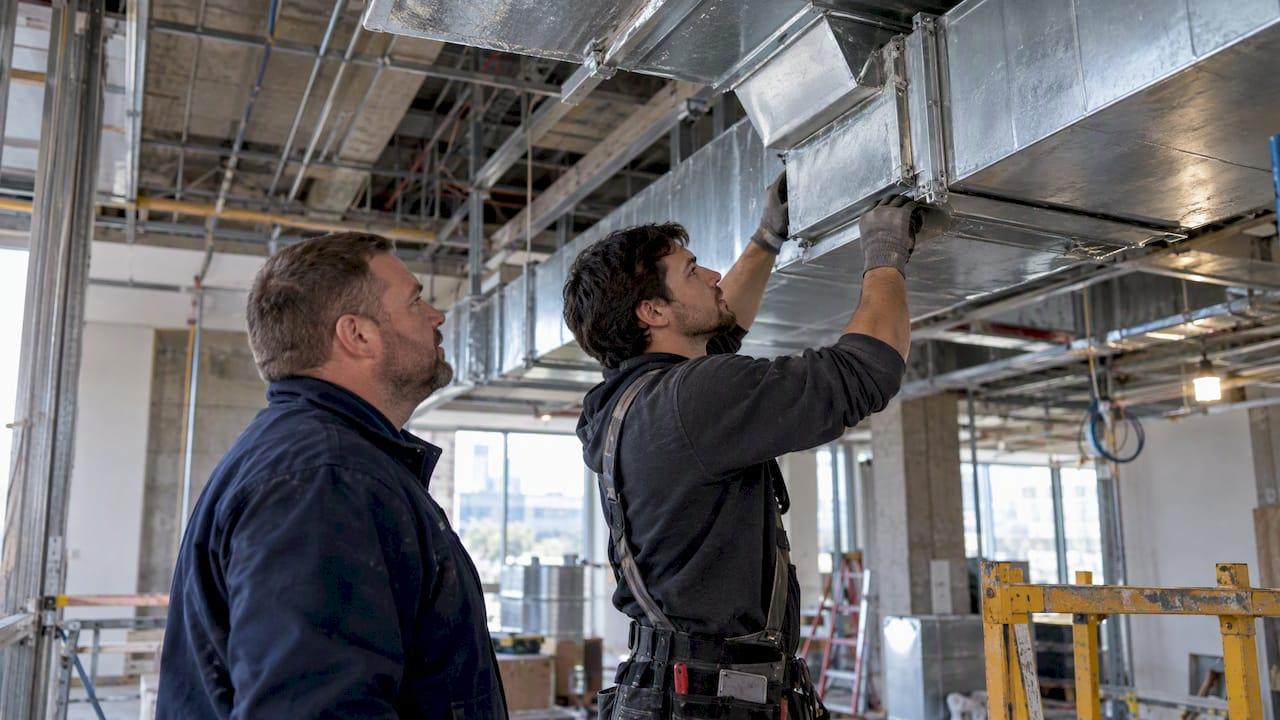
Bad Hires Can Cost Construction Firms 30% to 200% of Salary
Bad hires can cost construction firms 30% to 200% of annual salary. Calculate recruiting, rework,…
October 10, 2026
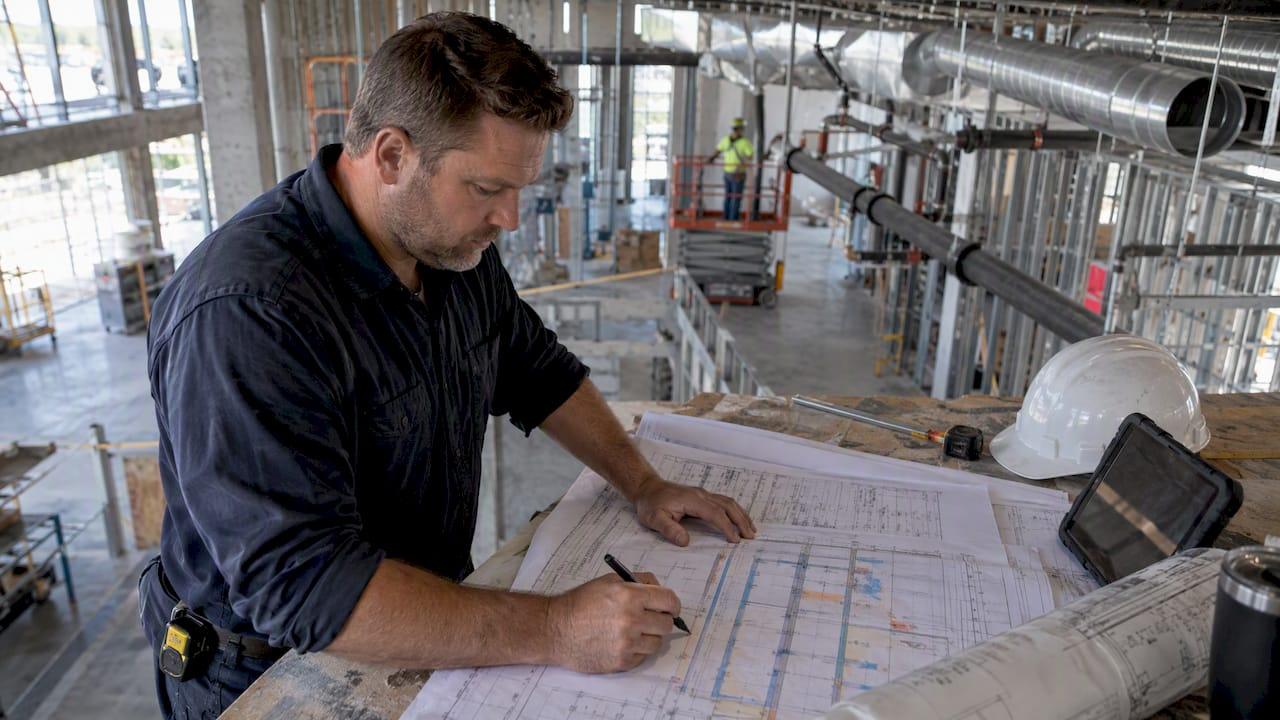
Construction Labor Forecasting for PMs: 7 Steps to Time Hiring
Learn when construction project managers should use WBS or simulation, track labor KPIs, and turn…